Adapters
Question and objective
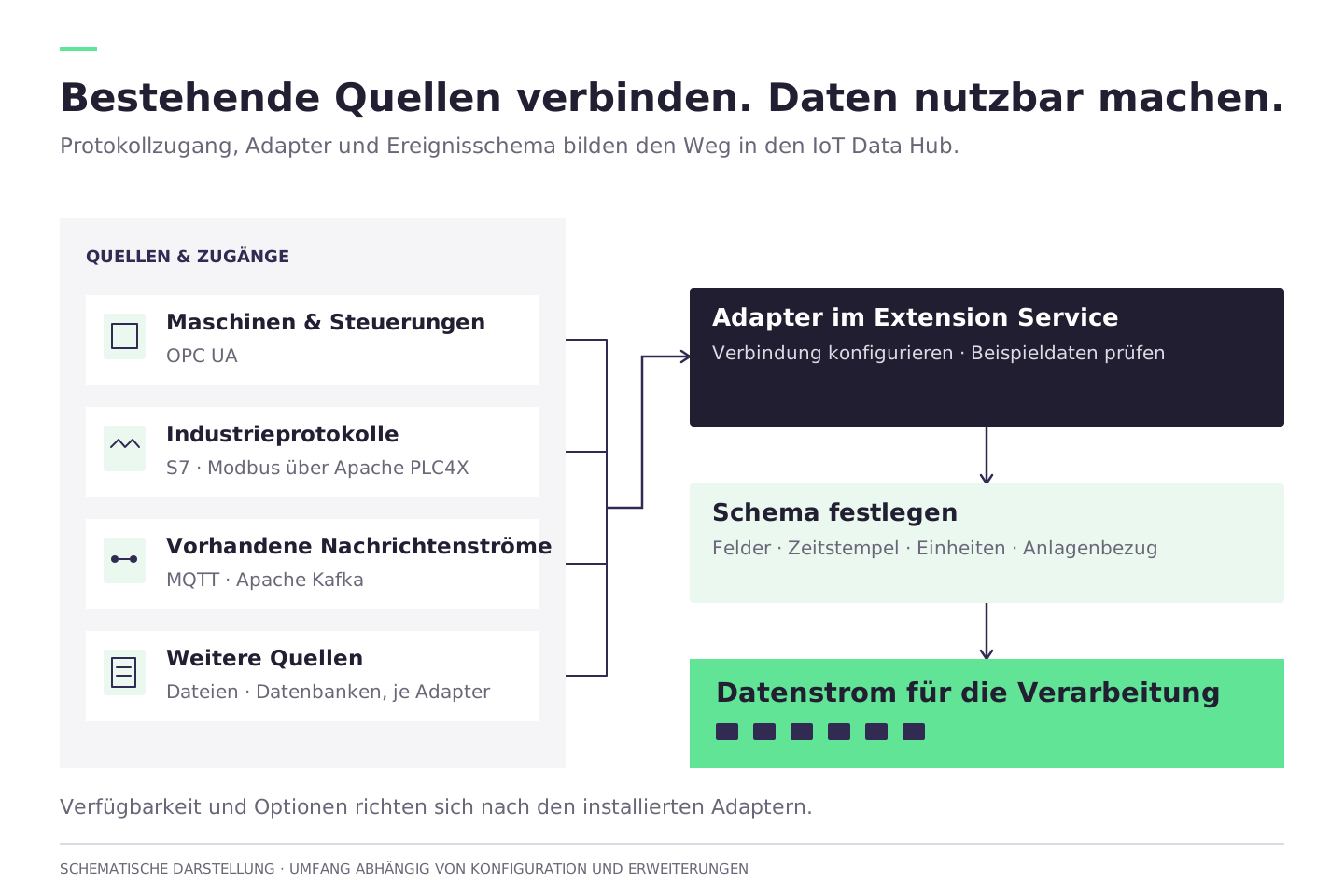
How does a data source become a verifiable data stream? The adapter handles the technical connection; you specify which events and field meanings downstream applications receive.
Implementation in Bytefabrik
In the adapter section, select an available integration, enter its connection parameters, and review the sample data. Then configure the schema and field information, as well as the startup options. The overview is used to operate and monitor existing adapters.
Best Practices for Setup
- Use a descriptive name that refers to the attachment and its purpose.
- Test the connection from the platform environment. Simply being able to access it from your own laptop is not enough.
- Check for several sample events: normal production, missing values, and, if applicable, state changes.
- Select the time field and distinguish between measured values and identifiers. Document the units.
- Enable data logging if you want to analyze past time periods later.
- After startup, check the incoming values and the corresponding data record.
What You Should Keep in Mind
The fact that an adapter is running does not necessarily mean that the data being received is up-to-date or technically accurate. Be sure to also check the timestamps and values in a table or chart.
Before making changes to the schema, check any dependent pipelines and evaluations. Reduce event rates or remove duplicates only if doing so does not result in the loss of information needed to answer the question. This check is particularly important for item counting and state changes.
Details about the platform: StreamPipes Connect.